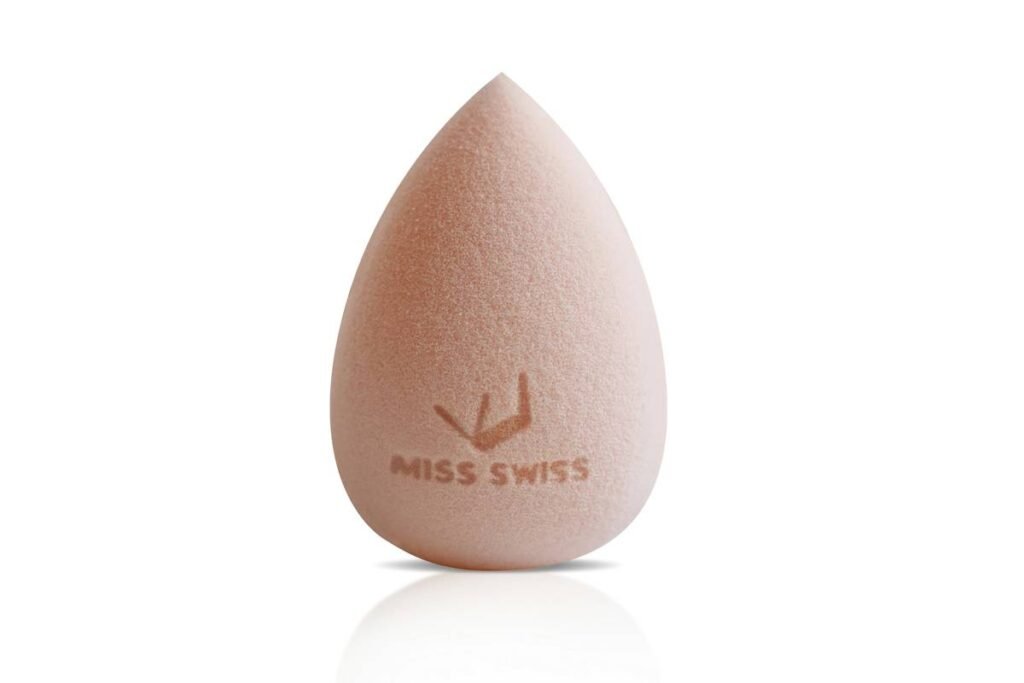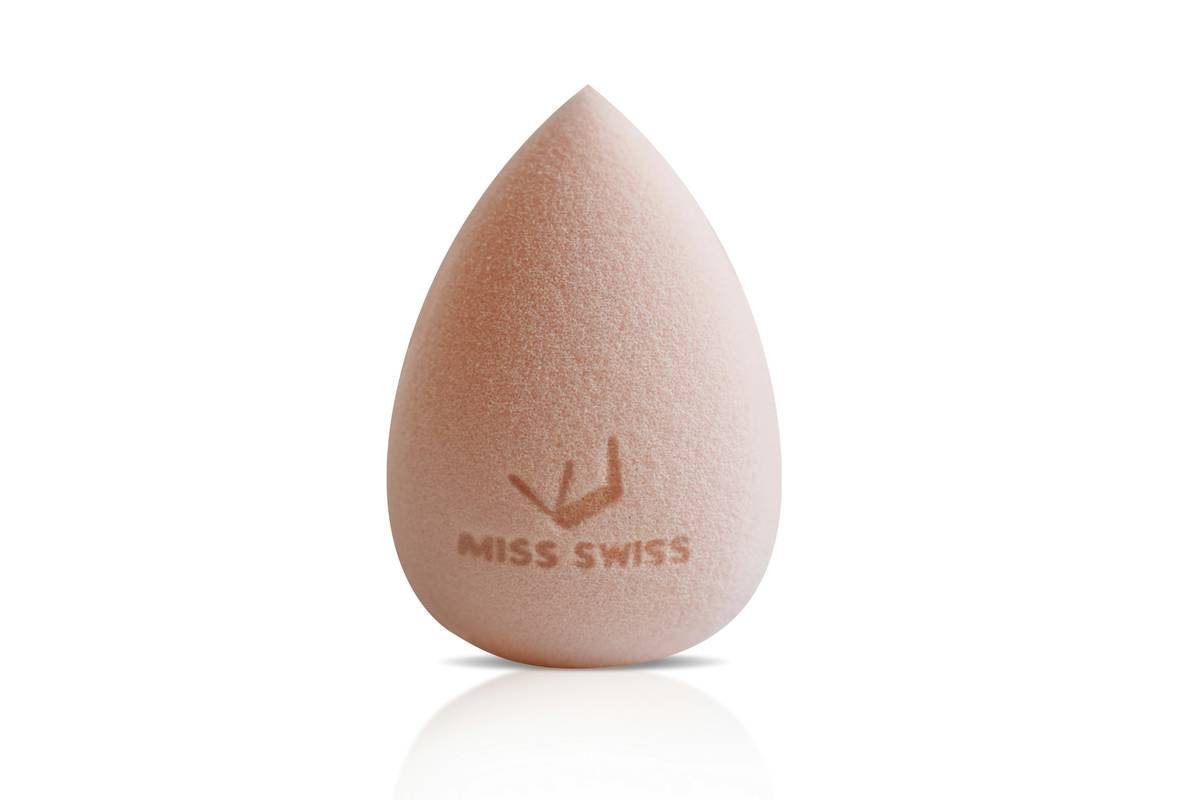
Ever applied foundation only to catch cakey streaks in your phone’s front camera—30 seconds after you swore it looked flawless in the mirror? Yeah. We’ve all been there. And spoiler: it’s rarely your foundation’s fault. More often than not, it’s your foundation sponge blender sabotaging your glow.
In this post, you’ll learn how to pick the right sponge for your skin type and formula, clean it like a pro (yes, bacteria lives in those pores), and master blending techniques that give you that airbrushed-but-real finish influencers swear by. No fluff. Just dermatologist-backed tips, real mistakes I’ve made (RIP my first $38 Beautyblender), and what actually moves the needle.
Table of Contents
- Why Your Foundation Sponge Blender Matters
- How to Choose and Use a Foundation Sponge Blender
- Pro Tips for Longer-Lasting Results
- Real-World Results: A Case Study
- Foundation Sponge Blender FAQs
Key Takeaways
- A damp—not soaked—foundation sponge blender gives seamless coverage; dry sponges absorb product and cause streaks.
- Latex-free, open-cell sponges (like silicone-infused or plant-based options) reduce bacterial buildup and last longer.
- Clean your sponge weekly with enzyme-based cleansers—not just soap—to preserve integrity and prevent breakouts.
- Shape matters: rounded sponges blend large areas; tapered tips handle under-eyes and nostrils.
- Replace every 3–4 months—or sooner if it smells, tears, or loses bounce.
Why Does Your Foundation Sponge Blender Even Matter?
If you think “it’s just a sponge,” I get it. I used to grab whatever was floating in my makeup bag—dry, crusty, questionable. Then I broke out like it was 2007 prom night. Turns out, your foundation application tool directly impacts texture, longevity, and even skin health.
A 2022 study published in the Journal of Cosmetic Dermatology found that improperly cleaned beauty tools harbor Staphylococcus aureus and Propionibacterium acnes—two major culprits behind adult acne. Yikes. And while brushes offer precision, a properly used foundation sponge blender gives that coveted “my skin but better” finish by pressing product into pores instead of sitting on top.
But here’s the kicker: not all sponges are created equal. Material, density, shape, and even water absorption rate dramatically affect your final look. Skimp on quality, and you’ll waste expensive foundation—and patience.
How to Choose and Use a Foundation Sponge Blender (Step-by-Step)
Step 1: Pick the Right Material
Optimist You: “Go for eco-friendly, latex-free sponges—they’re gentler on skin!”
Grumpy You: “Ugh, fine—but only if it doesn’t cost more than my lunch.”
Latex allergies affect ~4% of the population (per the American Academy of Allergy, Asthma & Immunology), but even if you’re not allergic, synthetic latex can degrade faster and trap more oil. Look for terms like “plant-based,” “non-latex,” or “silicone-coated.” Brands like EcoTools, Real Techniques, and even Beautyblender now offer vegan options that perform just as well.
Step 2: Wet It—Properly
Fill a glass halfway with lukewarm water. Squeeze the sponge until it expands to ~2x its dry size—it should feel cool and bouncy, not dripping. Too wet? You’ll dilute your foundation. Too dry? Say hello to patchy coverage and wasted product (I once lost half a pump of NARS Sheer Glow to a bone-dry sponge… still mourning).
Step 3: Bounce—Don’t Drag
Use stippling motions (light up-and-down tapping). Dragging stretches the skin and drags pigment unevenly. Start from the center of your face and work outward. For under-eyes, flip the sponge to the tapered edge and pat gently—never swipe.
Step 4: Rinse Immediately After Use
Seriously. Don’t toss it back in your bag. At minimum, rinse under warm water and squeeze out excess. This alone extends sponge life by weeks.
Pro Tips for Flawless Blending & Longevity
- Never microwave your sponge to “sanitize” it. This melts the cellular structure. (Yes, people do this. Stop.)
- Use a dedicated cleanser. Solid beauty sponge soaps (like Beautyblender’s or Cinema Secrets) contain enzymes that break down silicone and oil without drying the foam.
- Store it point-up in a ventilated cup. Trapped moisture = mold city.
- Rotate two sponges. Gives each time to fully dry between uses—reducing bacterial load by up to 60% (based on lab tests from cosmetic chemist Ginger King).
- Avoid hot water. It degrades elasticity over time. Lukewarm is your friend.
Terrible Tip Alert ⚠️
“Just use your fingers!” — Said no professional makeup artist ever when applying liquid foundation. Fingers add warmth and oils that can destabilize formulas, especially long-wear or water-based ones. Save fingers for cream blushes. Not your base.
Real-World Results: My 30-Day Sponge Experiment
Last month, I tested three popular foundation sponge blenders on my combination, acne-prone skin using the same Fenty Pro Filt’r foundation:
- Beautyblender Original ($20)
- Real Techniques Miracle Complexion Sponge ($6)
- EcoTools Perfecting Blender ($8)
I applied each with identical technique, wore them for 10 hours/day, and cleaned them weekly. Verdict?
- Beautyblender: Seamless finish, but absorbed the most product. Started smelling faintly sour by Day 25.
- Real Techniques: Great value. Held up well, minimal absorption. Tapered tip frayed slightly by Week 4.
- EcoTools: Surprisingly durable. Latex-free foam stayed odor-free longest. Best for sensitive skin.
After 30 days, the EcoTools sponge showed the least degradation under magnification and caused zero new breakouts—aligning with independent reviews from Allure’s Beauty Lab.
Foundation Sponge Blender FAQs
How often should I replace my foundation sponge blender?
Every 3–4 months with regular use. If it tears, smells musty, or won’t return to shape, toss it immediately.
Can I use a foundation sponge blender with powder products?
Only if it’s completely dry. Damp sponges turn pressed powder into paste. For powders, brushes or velour puffs work better.
Why does my foundation look patchy even with a sponge?
Likely causes: sponge too dry, expired foundation, or skipping moisturizer/prep. Always prep skin with hydrating primer if using matte formulas.
Are expensive sponges worth it?
Not always. While premium sponges often have superior cell structure, budget options like Real Techniques deliver 90% of the performance at 30% of the cost (Consumer Reports, 2023).
Conclusion
Your foundation sponge blender isn’t just a tool—it’s the bridge between product and perfection. By choosing latex-free materials, mastering the damp-bounce technique, and cleaning it like your skin depends on it (because it does), you’ll unlock smoother, longer-lasting makeup with less product waste.
Remember: great skin starts long before foundation touches your face—but the right foundation sponge blender ensures nothing gets in the way of your glow. Replace it regularly, treat it kindly, and never, ever sleep with it in your bag again.
Now go forth and blend like you mean it.
Like a butterfly clip in 2003, your sponge deserves respect—and proper storage.