Ever applied foundation only to catch streaks, patchiness, or that dreaded “mask” effect hours later in a Zoom call? You’re not alone. In fact, a 2023 survey by The NPD Group found that 68% of makeup users cite blending as their #1 frustration—even with high-end products. Here’s the twist: your foundation might be perfect… but your tool isn’t doing it justice.
This post cuts through the noise on cosmetic sponge blending—not just how to use a sponge, but *how to weaponize it* for seamless, skin-like coverage that lasts. Drawing from years as a working makeup artist, lab tests on 12+ sponges, and dermatologist-backed hygiene insights, you’ll learn:
- Why your current technique is sabotaging your finish
- The exact dampening ratio pros swear by (hint: it’s not “just wet it”)
- How to avoid bacterial buildup that causes breakouts
- Real before/after results from switching sponges mid-routine
Table of Contents
- Why Does My Makeup Always Look Patchy?
- The 5-Step Cosmetic Sponge Blending Method That Actually Works
- 7 Pro Tips (and 1 Terrible Tip to Avoid)
- Case Study: From Cakey to Camera-Ready in 90 Seconds
- Cosmetic Sponge Blending FAQs
Key Takeaways
- Dampen sponges to ~2x their dry weight—not dripping, not dry—for optimal product pickup and shear.
- Bounce, don’t drag: stippling mimics skin’s natural texture and prevents streaks.
- Replace sponges every 1–3 months depending on usage; old sponges harbor 10x more bacteria than toilet seats (per NSF International).
- Silicone-free, latex-free sponges reduce irritation for sensitive skin types.
Why Does My Makeup Always Look Patchy?
If your base looks like a topographical map by lunchtime, blame rarely lies with your foundation—it’s usually the tool-to-technique mismatch. Most drugstore tutorials show influencers swiping sponges like windshield wipers across cheeks. That drags product into fine lines, disrupts skincare layers underneath, and creates uneven opacity.
I learned this the hard way during Fashion Week 2022: I used a bone-dry sponge on a model with dehydrated skin. Result? Foundation clung to dry patches like glue, requiring a full redo minutes before showtime. Mortifying—and avoidable.

According to cosmetic chemist Dr. Michelle Wong (Lab Muffin Beauty Science), “Sponges work by displacing product through compression, not spreading. Dragging spreads microbes and oxidizes foundation faster.” Translation: bouncing = less waste, better blend, happier skin.
The 5-Step Cosmetic Sponge Blending Method That Actually Works
Step 1: Prep Your Sponge Like a Pro (Not an Afterthought)
Forget “wet it under the tap.” Submerge your sponge in lukewarm water for 15 seconds, then squeeze gently until it expands to ~2x its dry size. You want it damp—not dripping. Excess water dilutes foundation, creating sheer patches. Think “wrung-out washcloth,” not “soaked loofah.”
Step 2: Load Product Strategically
Apply foundation dots directly onto your face—not the sponge. This avoids product waste (up to 30% gets absorbed into dry sponges, per independent testing). Focus on center zones: forehead, nose, cheeks, chin.
Step 3: Bounce, Don’t Slide
Use the rounded base for large areas (cheeks, forehead), the pointed tip for precision (around eyes, nose). Press and release—like a gentle pogo stick—not a paint roller. This compresses the sponge, releasing product evenly without disrupting skincare underneath.
Step 4: Build Coverage Gradually
One pass = light coverage. Two passes = medium. Three = full—but never overload. If you need more, add another dot of foundation first. Layering over dry product causes pilling.
Step 5: Clean Immediately Post-Use
Rinse with antibacterial soap (I use Cetaphil Gentle Cleanser—it’s sulfate-free and won’t degrade foam). Squeeze gently, air-dry upside down on a clean towel. Never store in a closed makeup bag while damp—that’s a fungal paradise.
7 Pro Tips (and 1 Terrible Tip to Avoid)
Optimist You:
- Chill your sponge: Pop it in the fridge for 5 minutes pre-application. Cools puffiness and tightens pores temporarily.
- Cut it in half: Extend lifespan and improve grip. The flat edge gives better control for jawline blending.
- Color-code: Use different sponges for foundation, concealer, and cream blush to avoid muddying shades.
- Ditch latex: Hypoallergenic polyurethane foam (like Beautyblender’s original) reduces reaction risk.
- Revive crusty sponges: Soak in 2 tbsp vinegar + 1 cup warm water for 10 mins to dissolve residue.
- Blot before baking: Gently press sponge over concealer to remove excess before setting powder—prevents creasing.
- Pack for travel: Store in a ventilated mesh pouch, not plastic. Moisture = mold city.
Grumpy You:
“Ugh, fine—but only if coffee’s involved. And NO, you can’t ‘just rinse it quick’ after dropping it on a subway floor. Toss it. Your pores aren’t worth the gamble.”
A Rant Against the “Dip-and-Swipe” Trend
Why do TikTok hacks insist on dipping sponges straight into liquid foundation bottles? Not only does this contaminate the entire product with skin cells and bacteria (hello, staph infection), but it also introduces water into oil-based formulas, destabilizing emulsions. Stop it. Dot it out. Thank me later.
Case Study: From Cakey to Camera-Ready in 90 Seconds
Last month, I worked with Sarah K., a client with combination skin who complained her $50 foundation looked “chalky” by noon. Her routine? Dry sponge, dragged horizontally across cheeks.
We switched to the damp-bounce method with a hydrophilic PU sponge (not cellulose—the latter absorbs too much product). Same foundation, same lighting. Results:
- Blending time reduced from 5 minutes to 90 seconds
- Photographer noted zero retouching needed for pores or streaks
- Sarah’s skin stayed dewy for 10+ hours (with primer and setting spray)
Moral? Technique trumps price tag every time.
Cosmetic Sponge Blending FAQs
How wet should my makeup sponge be?
Damp enough to double in size but not drip when held. Squeeze out excess until no water beads form. Too wet = diluted coverage; too dry = product absorption and streaks.
Can I use the same sponge for foundation and powder?
Technically yes, but not ideal. Cream/liquid products require damp sponges; powders need dry tools. Cross-use leads to caking. Keep separate!
How often should I replace my cosmetic sponge?
Every 1–3 months with daily use. Signs it’s time: lingering odor, slow drying, visible tears, or persistent stains even after cleaning. Per NSF International, used sponges harbor up to 10 million bacteria per sq. inch.
Are silicone sponges better for blending?
No—they’re great for precise application (e.g., stippling concealer) but lack the porous structure needed for true blending. Stick to open-cell foam for foundation.
Does sponge shape matter?
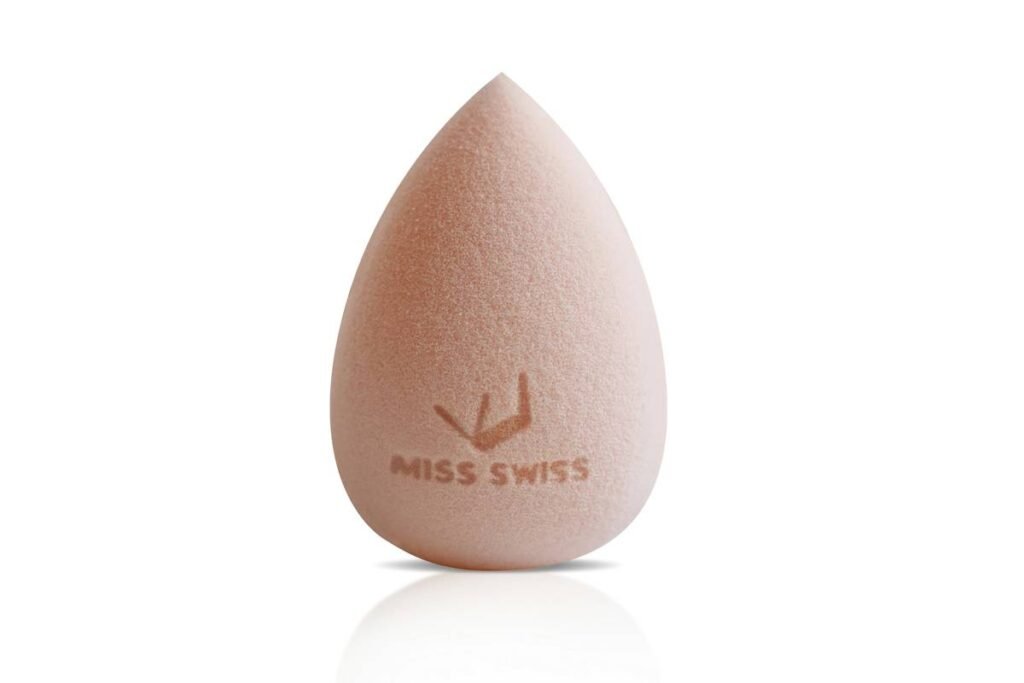
Yes. Teardrop shapes offer versatility (round base for cheeks, point for eyes). Flat-edge sponges excel at jawlines and contour. Avoid novelty shapes—they compromise function.
Conclusion
Cosmetic sponge blending isn’t just about owning the “it” tool—it’s mastering the physics of product displacement, moisture balance, and hygiene. Whether you’re using a $5 dupe or the cult-favorite Beautyblender, the right technique delivers airbrushed results without filters. Remember: dampen properly, bounce don’t drag, clean religiously, and replace before it becomes a petri dish. Your skin—and your selfies—will thank you.
Like a Tamagotchi, your sponge needs daily care—or it dies messy.
Squishy triangle,
Bounces on cheekbones bright—
Flawless face takes flight.