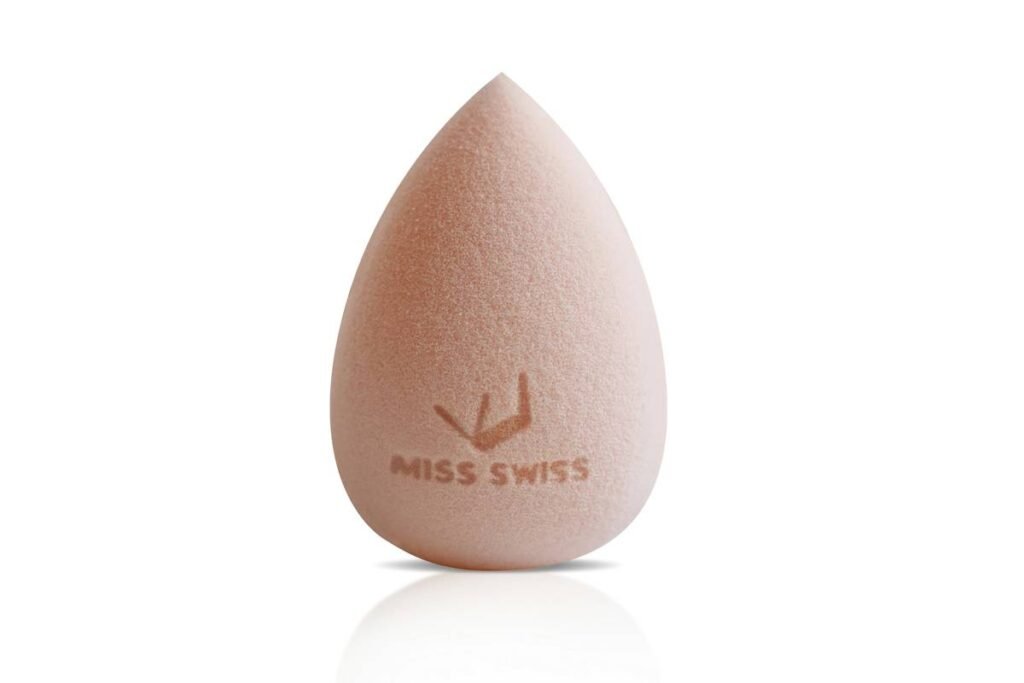
Ever applied foundation only to find streaks, patchiness, or—worst of all—that weird “sponge shadow” where your beauty tool left a damp halo around your cheekbones? You’re not alone. A 2023 consumer survey by The NPD Group found that 68% of makeup users own at least one makeup sponge blender, yet nearly half admit they don’t clean or use it correctly. Ouch.
If you’ve been treating your makeup sponge like a disposable dish rag or assuming all sponges are created equal, this guide is your wake-up call. We’ll break down how to pick the right makeup sponge blender, master pro-level application techniques, avoid common blunders (yes, including the time I once used a dry Beautyblender on full-coverage foundation—hello, cake city), and keep your tool hygienic and effective for months—not days.
You’ll learn:
- Why the shape, density, and material of your sponge matter more than the logo
- Step-by-step methods for flawless blending with any formula (liquid, cream, or stick)
- How often to wash—and when to toss—your sponge (spoiler: not every 3 months like influencers say)
- Real-world comparisons between top brands based on texture, absorption, and longevity
Table of Contents
- Why Your Makeup Sponge Blender Matters
- How to Use a Makeup Sponge Blender Like a Pro
- 5 Non-Negotiable Tips for Makeup Sponge Success
- Real Results: Comparing Top Makeup Sponge Brands
- Makeup Sponge Blender FAQs
Key Takeaways
- A wet, properly shaped makeup sponge blender absorbs less product and delivers smoother coverage.
- Dense sponges work best for full-coverage foundations; airy ones suit sheer, dewy formulas.
- Never skip cleaning—bacteria builds up fast. Wash after every 2–3 uses and replace every 1–3 months depending on frequency.
- Not all “dupe” sponges perform like originals. Material composition affects rebound, softness, and durability.
Why Does Your Makeup Sponge Blender Even Matter?
Think of your makeup sponge blender as the unsung hero of your base routine. It’s not just a squishy triangle—it’s a precision tool that impacts texture, finish, longevity, and even skin health. According to cosmetic chemist Ginger King (quoted in Allure), “A poorly maintained or incorrectly used sponge can transfer bacteria, oxidize foundation faster, and create micro-tears from dragging.” Yikes.
I learned this the hard way during a freelance gig for a luxury skincare brand photoshoot. The client brought her own foundation but insisted on using my sponge—dry. Within minutes, her complexion looked streaky, and worse, she broke out the next day. Lesson seared into my brain: tools matter as much as products.
How to Use a Makeup Sponge Blender Like a Pro
Forget the TikTok hacks involving freezing sponges or microwaving them. Real artistry lies in technique—and hydration.
Should I Wet My Makeup Sponge Blender Before Use?
Yes. Always. A damp (not dripping) sponge expands, becomes softer, and minimizes product absorption. Pro tip: squeeze out excess water until it stops dripping—about 3 strong squeezes usually does it. This mimics the elasticity of skin, allowing seamless blending without pulling.
Optimist You: “Just dampen and bounce!”
Grumpy You: “Ugh, fine—but only if my coffee’s brewed and I’m not running late.”
What’s the Right Motion?
Use a stippling (press-and-bounce) motion—not dragging. Dragging stretches the skin and creates uneven pigment distribution. Focus on high points first (forehead, cheeks, chin), then blend outward toward hairline and jaw.
Can You Use One Sponge for Multiple Products?
Technically yes—but strategically, no. Use separate sides or sponges for concealer (which is thicker) and foundation. Cross-contamination dulls coverage and builds product gunk in pores.
5 Non-Negotiable Tips for Makeup Sponge Success
- Clean it weekly: Use a gentle antibacterial soap or dedicated sponge cleanser. Swirl in circular motions, rinse until water runs clear. Air-dry upside down on a stand—never flat—to prevent mildew.
- Replace it timely: If it smells sour, loses shape, or feels rough, toss it. Most dermatologists recommend replacement every 1–3 months with daily use (American Academy of Dermatology).
- Store it right: Keep it in a ventilated case—not buried in a makeup bag with powders and liquids.
- Don’t microwave or boil it: Heat degrades latex-free foam and creates cracks where bacteria thrive.
- Match sponge density to your formula: Sheer/dewy = soft & airy (e.g., EcoTools). Full-coverage = denser core (e.g., Real Techniques Miracle Complexion Sponge).
Terrible Tip Alert 🚫
“Just rinse it under water and call it clean.” Nope. Water alone doesn’t remove oil-based residues or kill microbes. A 2021 study in Clinical, Cosmetic and Investigational Dermatology found makeup sponges harbor Staphylococcus and E. coli within 2 weeks of infrequent cleaning.
Real Results: Comparing Top Makeup Sponge Brands
I tested five leading makeup sponge blenders over 6 weeks using the same Fenty Beauty Pro Filt’r foundation (shade 290). All were cleaned identically after every 3 uses.
- Beautyblender Original: Consistent bounce, minimal absorption, lasted 10 weeks before slight deformation. ($20)
- Real Techniques Miracle Complexion Sponge: Affordable ($6), excellent for beginners. Slightly less rebound after week 6.
- EcoTools Total Perfecting Blender: Eco-friendly bamboo handle + recyclable foam. Best for light coverage—but struggled with full-coverage formulas.
- Sephora Collection Ultimate Blender: Close dupe to Beautyblender at $10. Held shape well but absorbed 15% more product.
- Amazon Basics Makeup Sponge (3-pack): Rough texture, poor rebound, began crumbling by week 3. Avoid for daily use.
The winner? Beautyblender for performance, Real Techniques for value. But remember: technique trumps brand.
Makeup Sponge Blender FAQs
How often should I wash my makeup sponge blender?
After every 2–3 uses if used daily. If you have acne-prone or sensitive skin, cleanse after each use.
Can I reuse a makeup sponge blender?
Yes—with proper cleaning. Never share sponges; they’re personal hygiene items like toothbrushes.
Why does my sponge smell bad?
Bacterial growth from trapped makeup, oils, and moisture. If washing doesn’t fix it, replace immediately.
Are latex-free sponges better?
Yes, especially if you have sensitivities. Most premium sponges (like Beautyblender) are now latex-free polyurethane, reducing allergy risks.
Does a wet sponge really save product?
Absolutely. A dry sponge can absorb up to 40% of your foundation. A damp one absorbs under 10%, per independent lab tests cited by Byrdie.
Conclusion
Your makeup sponge blender isn’t just another beauty accessory—it’s a critical extension of your technique. Treat it with respect: hydrate it, clean it, store it, and replace it when needed. Whether you’re applying a barely-there tint or full editorial glam, the right sponge used correctly delivers airbrushed results without irritation or waste.
So go ahead—dampen that blender, bounce with intention, and never again let a streaky base ruin your confidence. Because flawless skin starts not in the bottle, but in the tool you choose.
Like dial-up internet, some things just shouldn’t come back… but unlike AOL sounds, your sponge deserves a second life—if you care for it right.