You spent hours blending foundation. You used a high-end formula. But your skin still looks cakey, streaky, or worse—patchy. The culprit? Not your technique. Not your product. It’s your makeup sponge kit. Most kits on the market are designed for shelf appeal—not real-world performance.
The Dirty Truth About Most Makeup Sponge Kits
They’re cute. They come in pastel colors and travel cases. But functionally? Nearly useless. Many sponges are made from low-density foam that sheds microfibers into your foundation—or worse, absorbs half your product before it even hits your face.
And that “multi-tool” kit with six oddly shaped sponges? Good luck figuring out which one does what. You end up using the same teardrop sponge anyway—while the rest collect dust (and bacteria).
Your Step-by-Step Guide to a Truly Effective Makeup Sponge Kit
Forget gimmicks. Build a functional, hygienic, and versatile system instead. Here’s how:
Choose Density Over Design
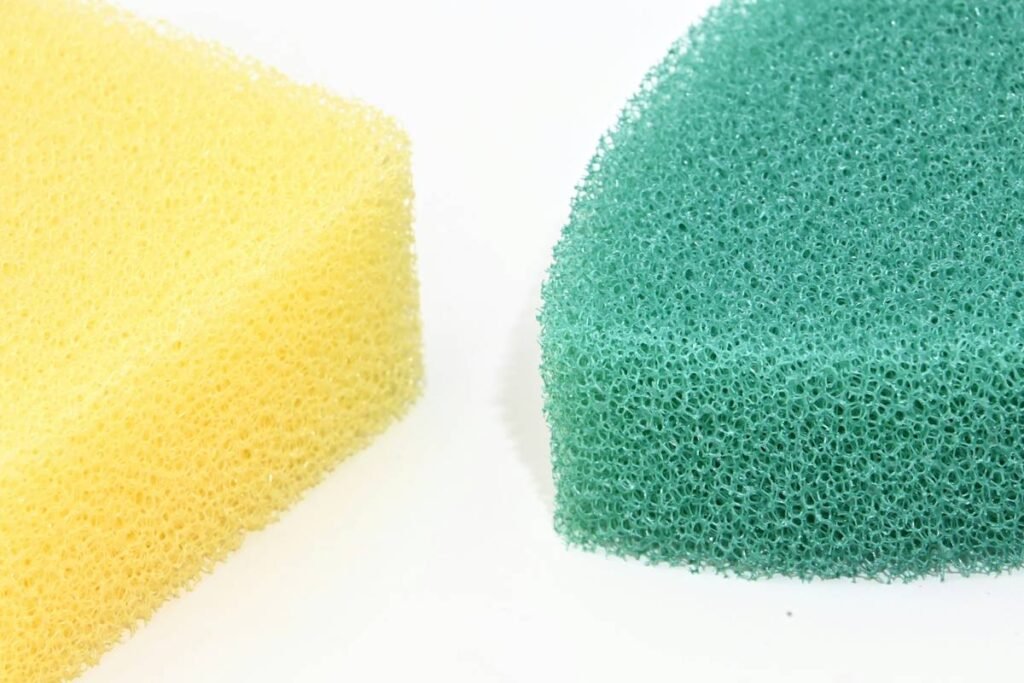
A high-density sponge bounces back after squeezing—no permanent dents. That’s your sign of quality. Low-density sponges collapse under pressure and trap makeup deep in their pores. Result? Wasted product and inconsistent coverage.
Clean It Like Your Skin Depends On It (Because It Does)
Makeup sponges are breeding grounds for mold and bacteria—especially if stored damp. Wash yours after every use with a sulfate-free cleanser. Air-dry fully on a ventilated stand. Never toss it in a sealed pouch while wet.
Replace Based on Performance—Not Calendar Dates
Some say “replace every 1–3 months.” But here’s the reality: if your sponge no longer expands fully when wet, or leaves lint on your skin, toss it. Even a $20 sponge becomes a liability when degraded.

| Kit Type | Avg. Cost | Product Waste | Lifespan (Avg.) | Hygiene Risk |
|---|---|---|---|---|
| Budget Multi-Piece Kit (Plastic Case) | $6–$12 | High (absorbs 40%+ product) | 3–5 weeks | Severe (non-porous case traps moisture) |
| Premium Single Sponge + Stand | $14–$22 | Low (absorbs <15% when damp) | 8–12 weeks | Minimal (vented drying) |
| Reusable Silicone Applicator Set | $18–$28 | Negligible (non-absorbent) | 6+ months | Very Low (dishwasher-safe) |

The Industry Secret No Brand Wants You to Know
Most beauty brands sell sponges as loss leaders—they’re cheap to manufacture but priced like luxury items. Why? Because they create recurring revenue. You buy the $20 “signature” sponge… then replace it monthly. But here’s the twist: the best professional-grade sponges aren’t sold under beauty labels.
Behind-the-scenes, top MUAs often use unbranded, medical-grade polyurethane sponges sourced from theatrical supply houses. Same material. One-third the price. No glitter coating. No confusing shapes. Just consistent performance. And they wash better.
Frequently Asked Questions
How often should I clean my makeup sponge kit?
After every single use. Bacteria doubles every 20 minutes in damp environments. Skipping a wash = inviting breakouts.
Can I use a makeup sponge kit with cream and powder products?
Yes—but only if damp for creams, dry for powders. Never use the same sponge surface for both without cleaning in between.
Are expensive makeup sponge kits worth it?
Only if they use open-cell, high-rebound foam and include proper drying storage. Price alone doesn’t guarantee performance.